

De Duno - 2023
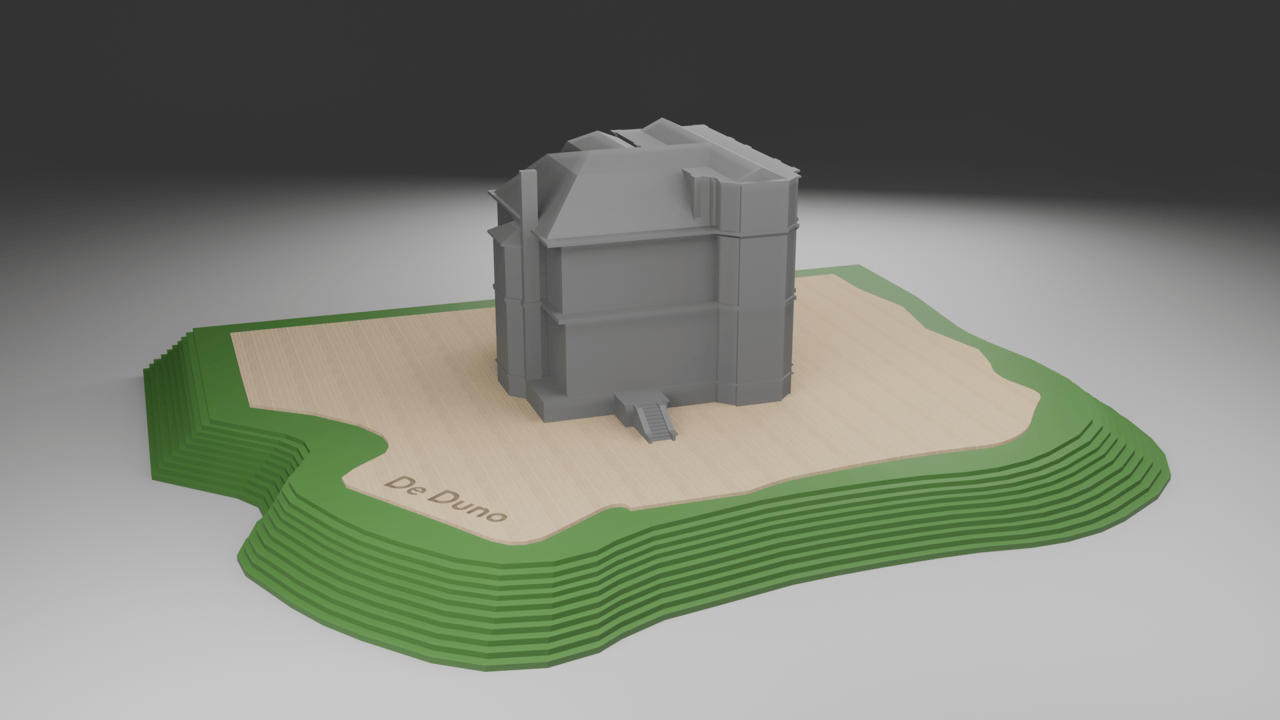
De Duno is a conceptual installation that reimagines a lost country house in Gelderland using physical models, animation, and augmented reality.
Goal
Create a 3D non-photorealistic rendered animated short in Blender within 4 months.
Motivation
Inspired by animations like Spiderverse, Arcane & Entergalactic we set out to create a stylised 3D short that blends expressive 2D aesthetics with technical 3D production. This project challenged us to step outside our comfort zones—Beth explored 3D and stylised painting for the first time, while Elin led the technical pipeline in Blender. Working as a dedicated two-person team pushed us creatively and we found huge mutual benefit in the collaboration.
A mixed-media installation that brings lost architectural heritage back into public awareness.
Motivation
Growing up near the site, I was fascinated by the absence of the building and wanted to explore how digital tools could make its history tangible again.
Goal
To visualize lost heritage by combining physical and digital layers into a coherent, interactive experience.
My role
I developed the concept, designed the physical maquette, produced archival animations, and built the AR prototype.
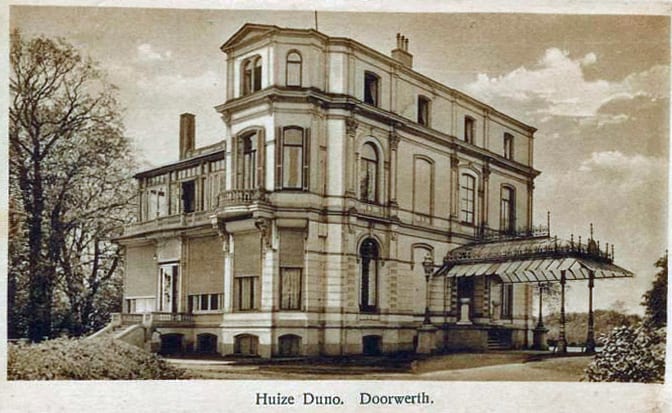
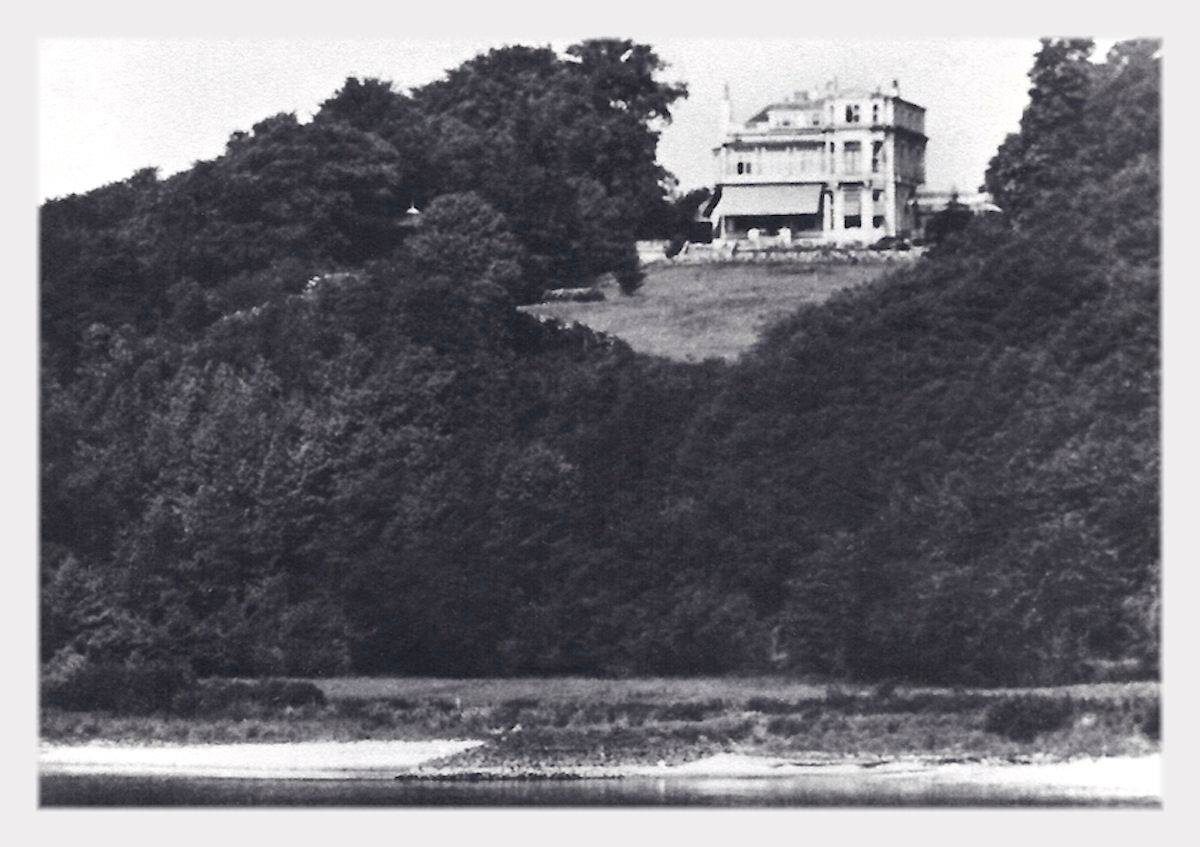
Situated in Gelderland, the Netherlands, the Duno estate overlooks the Nederrijn and its floodplains. Once the site of the grand country house De Duno, only traces of the building remain today—the outlines of its foundations and fragments of its entrance stones. In 2018, the contours of the house were marked out again, and the original terrace was rebuilt on its historic location.
Having grown up in nearby Heveadorp, I have always been fascinated by the history of this estate and curious about what it must have been like to experience the hotel in its prime. For a personal project during my master’s studies, I chose to reimagine De Duno and bring its story to life through a concept installation.
Process
The design combined a physical maquette of the building’s contours with animations of old maps and photographs. To enhance interaction, I incorporated an augmented reality layer: visitors could scan a QR code and view a 3D model of the hotel, positioned directly on the maquette to align with the historic foundations. While not developed into a fully realized installation, this project served as a conceptual exploration of how digital and physical media can be combined to visualize lost heritage.